How much PPF do you actually need?
You've decided to get paint protection film. Great choice — your future self will thank you. But now you're staring at a quote with options like "partial," "track pack," and "full body," and the prices are wildly different. Don't worry, we'll walk through this together.
The short version
- • Most cars only need PPF on the front-facing areas
- • Partial coverage protects ~80% of damage zones for ~30% of the cost
- • Full body PPF is mostly for high-end cars or daily highway drivers
- • The right amount depends on how you drive, not what you drive
First, what is PPF actually doing?
Think of PPF like a phone screen protector, but for your car's paint. It's a clear, flexible film that sits on top of the paint and takes hits from rocks, bugs, road debris, and minor scrapes — so your actual paint stays untouched.
Here's the cool part: modern PPF is self-healing. Minor swirl marks and surface scratches actually disappear when the film warms up in the sun. It's a bit like magic, except it's just polymer chemistry.
Where does damage actually happen?
This is the question that decides everything. Damage on cars isn't spread evenly — it concentrates in very specific zones. Here's where:
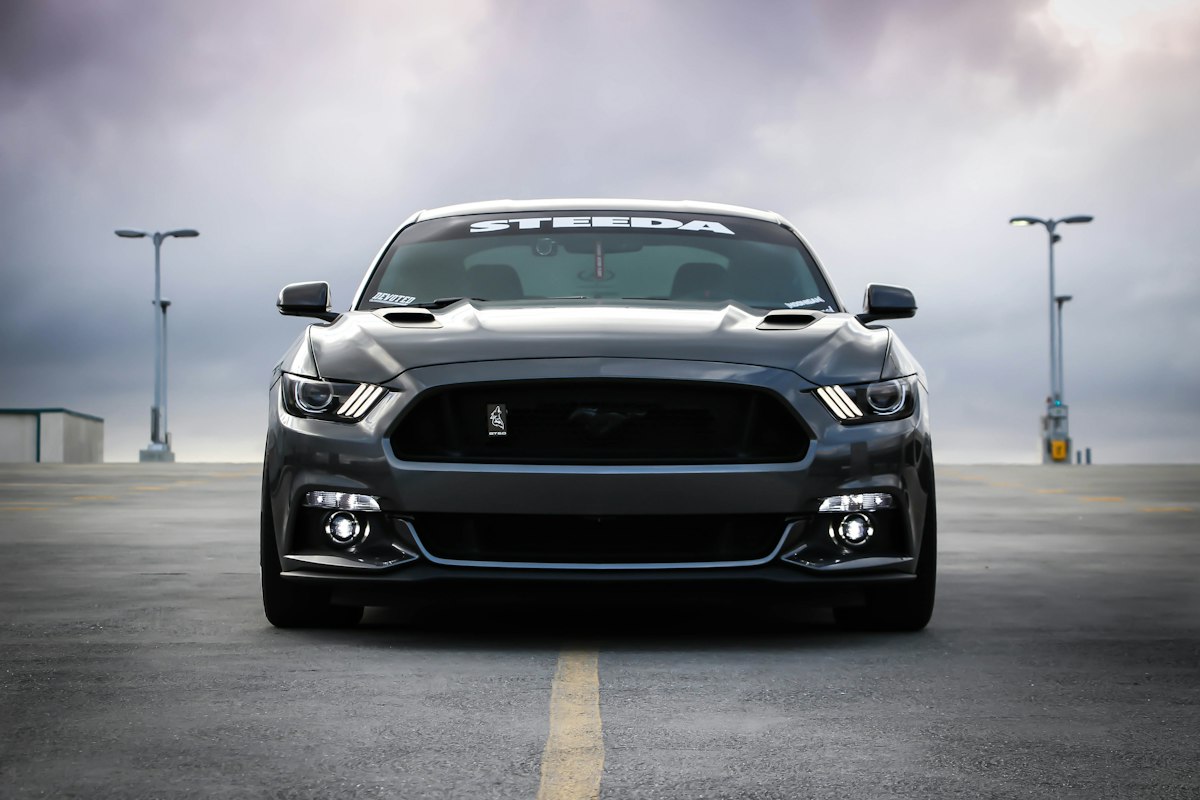
The front bumper and hood
These take 90% of all rock chip damage. Every highway mile, every gravel driveway, every truck on the freeway flicking up debris — it all hits here first. If you only protect one area on your car, this is it.
Headlights and fog lights
Modern headlights are expensive (often $1,000+ to replace). They also yellow and pit over time from UV and debris. PPF on headlights keeps them clear for the life of the car. Easy win.
Front fenders (the partial side panels)
Tires kick rocks back, and the front fenders take a beating from your own wheels. The area behind your front tires is a damage hotspot most people don't think about until they see the chips.
Door edges and door cups
Tiny coverage area, huge impact. Door edges chip every time you open the door into something, and door cups (behind the handle) collect fingernail scratches over the years. A few inches of PPF here saves a lot of touch-up paint later.
Mirrors and rocker panels
Mirrors get bug splat and bumps in parking lots. Rocker panels (the lower sides of the car) catch road grime, salt, and stones thrown up by your own tires. These are bonus zones — nice to have, not critical.
"The first 30% of your PPF budget protects 80% of the damage. That's where the value is."
The three common packages
Most shops bundle PPF into three tiers. Here's what each one actually covers, in plain English:
Partial front (a.k.a. "the essentials")
Covers the front bumper, part of the hood (usually 18-24 inches back), part of the fenders, headlights, and mirrors. This is the sweet spot for most daily drivers. You get the protection where you actually need it, without breaking the bank.
Full front (a.k.a. "track pack")
Same as partial, but extends to the full hood and full front fenders. Better for highway commuters or anyone who's noticed a lot of stone chips on their current car. Costs more, but the seam line disappears so it looks cleaner.
Full body
Every painted panel gets film. This is overkill for most cars, but if you've got a $150K sports car, an exotic, or a vehicle you plan to keep forever, it's peace of mind. It's also the only way to preserve paint that might be impossible to color-match later.
What each package roughly costs
| Package | Typical price |
|---|---|
| Partial front | $1,200 – $2,000 |
| Full front (track pack) | $2,000 – $3,500 |
| Full body | $5,000 – $9,000+ |
Prices vary by film brand, vehicle size, and shop. Always get 2-3 quotes.
So what should you actually pick?
Honest answer: it depends on your driving. Here's a quick gut check:
You mostly do short city trips? Partial front is plenty. Damage hotspots covered, money saved.
You're on the highway 30+ minutes daily? Go full front. The hood and fenders will pick up chips fast otherwise.
You've got an exotic or a car you'll never sell? Full body. The cost makes sense because the alternative is a $20K respray.
See what you actually need
Visualize your PPF coverage
Pick the zones you want to protect on a visual car map and see total coverage plus an instant cost estimate. No signup, completely free.
Open PPF visualizerPro tip
If you're getting a wrap and PPF, install PPF first on the high-impact zones, then wrap over the rest. Best of both worlds — protection where it matters, style everywhere else.
Quick questions, quick answers
Can you see PPF on a car?
Modern PPF is virtually invisible when installed well. You might notice a faint edge line if you look closely, but nobody else will.
How long does PPF last?
Quality PPF lasts 7 to 10 years with proper care. Most premium films come with a 10-year warranty against yellowing and cracking.
Does PPF affect the paint underneath?
Nope — when removed properly, the paint underneath is in the same (or better) condition than the day the PPF was applied.
Should I get PPF on a used car?
Absolutely, especially if the paint is still in good shape. PPF stops further damage and preserves resale value.
Bottom line
You don't need to wrap your entire car in clear film to protect it well. The damage you're trying to prevent happens in predictable places — and partial front coverage handles most of it for a fraction of the price. Start with where damage actually happens, scale up only if your driving justifies it. Easy.