Is PPF worth it?
A full-body PPF install costs more than some used cars. Even a partial front package runs $1,500 to $2,500. So is paint protection film actually worth the money, or is it just expensive peace of mind? The honest answer comes from running the real numbers — what damage actually costs vs. what PPF prevents.
The short answer
- • Partial front PPF ($1,500–2,500) typically pays back in 2-4 years for daily drivers
- • Full body PPF ($5,000–9,000) only makes sense on $80K+ cars or long-term keepers
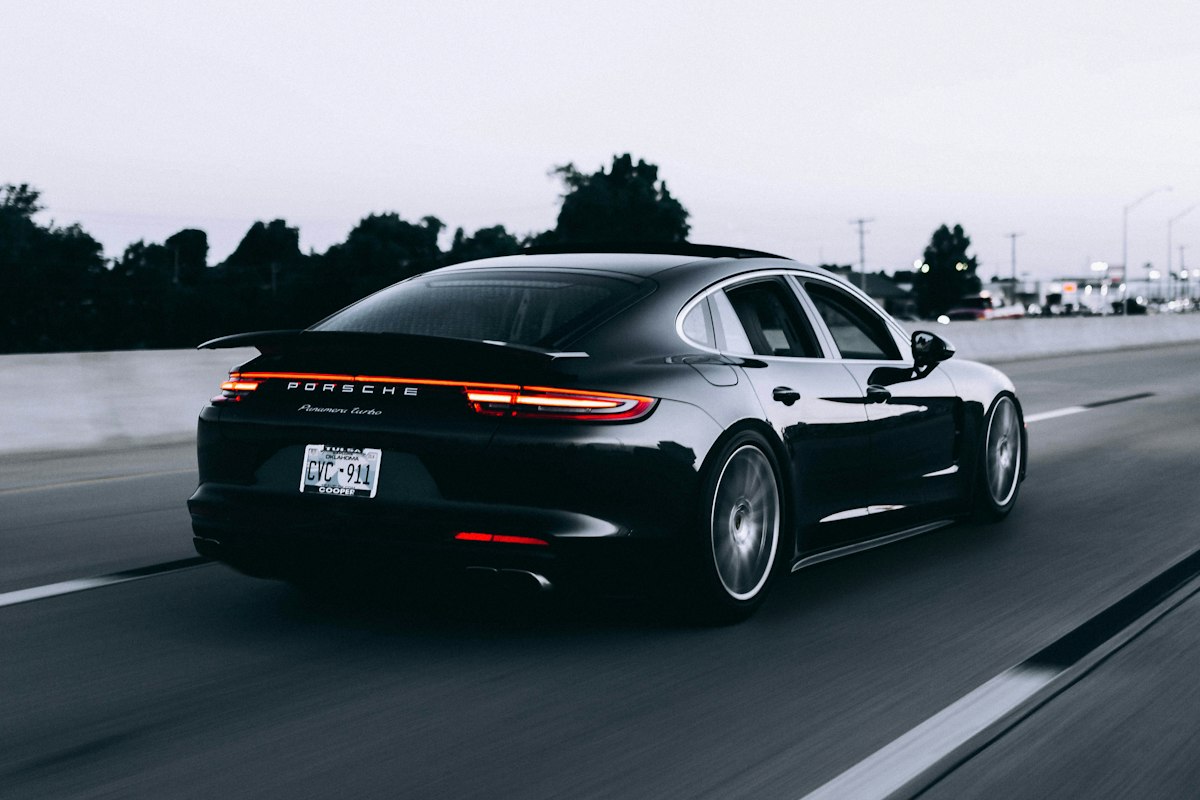
- • Highway commuters see fastest ROI — they take the most damage
- • City-only short trips? PPF is harder to justify on pure economics
- • Resale value impact alone often covers PPF cost on premium vehicles
What unprotected paint actually costs
People underestimate paint repair costs because they only think about catastrophic damage — accidents, vandalism. The real cost is the slow drip of small repairs that add up over 5 to 7 years of ownership.
Rock chip touch-up: $150 to $400
A few small chips on the hood, fender, or bumper. Body shop blends color, polishes, clear-coats. Looks decent but never quite invisible. Most cars need this 2 to 3 times in the first 5 years of highway driving. Total cost over ownership: $300 to $1,200.
Full bumper respray: $800 to $1,800
When enough chips, scrapes, and parking dings accumulate that touch-ups aren't enough. The front bumper is the most common candidate. Quality work gets you close to factory paint match but rarely identical.
Hood repaint: $1,200 to $2,500
Common after 3 to 5 years on a daily highway driver. The hood takes the worst of the rock chips, and once the surface is heavily damaged, paint correction can't save it. Repainting requires precise color matching, blending into adjacent panels, and 2-3 days in the shop.
Headlight replacement: $400 to $1,800 (each)
Modern LED and projector headlights are absurdly expensive. They pit, yellow, and crack from UV and debris over time. Many cars need at least one headlight replacement by year 5 if unprotected. PPF on headlights prevents this almost entirely.
The resale value angle
This is the factor most buyers ignore until they try to sell. A car with chipped hood paint, yellowed headlights, and a hazy bumper looks "tired" — and a tired-looking car sells for thousands less than the same model with crisp paint.
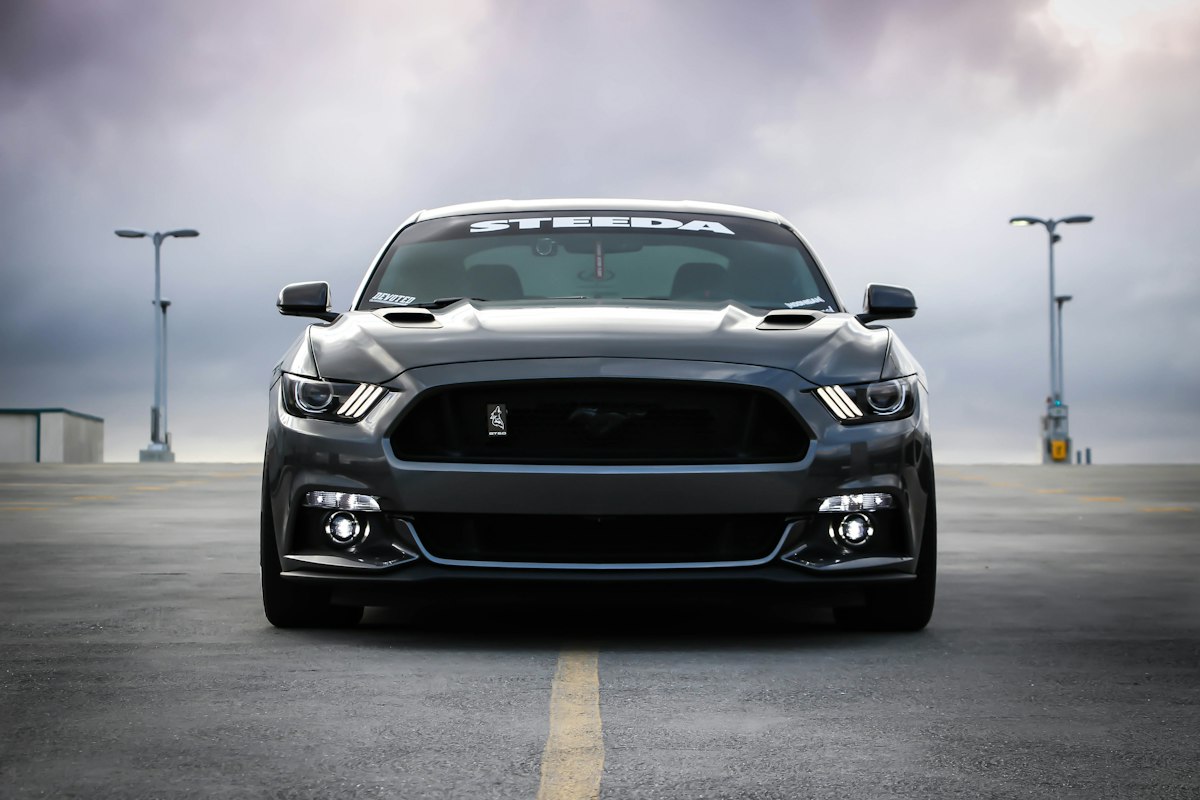
On premium vehicles ($60K+), the resale gap between a well-protected and unprotected example is typically 4 to 8% of value. On a $80K car, that's $3,200 to $6,400 — which alone covers full body PPF on most vehicles.
For cars under $40K, the absolute dollar difference is smaller but still real — typically $1,000 to $2,500 at resale.
"The wrong question is 'Can I afford PPF?' The right question is 'What does NOT having PPF actually cost me over 5 years?'"
The 5-year payback math
Here's a realistic 5-year comparison for a daily highway driver, $50K vehicle:
| Without PPF | 5-year cost |
|---|---|
| Rock chip touch-ups (×2) | $500 |
| Bumper respray | $1,200 |
| Headlight polish or replace (×1) | $600 |
| Resale value reduction | $1,800 |
| Total damage cost | $4,100 |
| Partial front PPF instead | $2,000 |
Net savings: ~$2,100 over 5 years. Plus a car that looks new at resale.
When PPF doesn't make economic sense
Honest answer time. PPF math gets weaker in these situations:
Lease for 2 to 3 years.You won't see resale value, and most leases include some wear-and-tear allowance. Only worth it if you have a high-impact driving profile.
Older vehicle, low residual value.A 10-year-old daily driver depreciated to $8K doesn't make sense to protect with $3K of PPF. The math just doesn't work.
City-only short trips, garage-kept. If you drive 3 miles to work and park in a covered garage, your damage exposure is minimal. Save your money.
You'll trade in within 2 years.PPF takes time to pay back. If you're not keeping the car at least 3-4 years, the ROI breaks down.
When PPF is a no-brainer
Highway commuter, 30+ minutes daily. The damage rate is high enough that protection pays back fast.
Premium vehicle ($60K+). Resale gap alone justifies the investment, before you count the damage prevention.
Long-term keeper, 7+ years. Every year of ownership compounds the value. PPF on a forever-car nearly always pays back.
Rare or hard-to-match paint. Color-shift, matte, special-order colors — these are nearly impossible to repair invisibly. Protection is the only realistic option.
See your real coverage
Map out exactly what to protect
Pick the zones you actually need on a visual car map and see the total coverage plus cost estimate. Free PPF Coverage Visualizer with instant pricing — no signup.
Open PPF visualizerDon't skip the install quality
Cheap PPF installation can hurt rather than help — visible edges, lifting after 6 months, trapped air bubbles. Spend the extra few hundred for a quality installer. A premium film badly installed is worse than no PPF at all.
Frequently asked questions
Will insurance cover PPF damage?
Most comprehensive policies will replace PPF after a covered event (accident, vandalism). Check with your insurer and document the install with photos and the original invoice.
Can I get PPF on a used car?
Yes, and it's often a great move. The paint needs to be in good condition first — any pre-existing chips or scratches get sealed under the film. Some installers offer paint correction before the install.
Does PPF affect my warranty?
No — properly installed PPF is removable and doesn't affect manufacturer paint warranty. Some dealers even offer it as a factory add-on at delivery.
Bottom line
PPF math is genuinely good for daily-driving highway commuters with vehicles worth $40K+, especially if you keep your cars 5+ years. The damage you're preventing isn't one big event — it's the slow accumulation of small repairs and resale erosion that adds up to thousands. Run the numbers on your specific situation. For most people in that category, partial front PPF is the highest-ROI investment you can make in your car.