Why your wrap lifted in 6 months
A premium wrap should last 5 to 7 years. If yours started peeling at the edges before the first birthday, something went wrong before the vinyl ever touched the paint. Here are the six real causes — and how to predict lifespan before you commit to the next one.
Key takeaways
- • Most early failures trace back to prep, not the vinyl itself
- • Calendered film on a daily driver in a hot climate is a 12-month wrap, not a 5-year one
- • Washing too soon after install ruins the adhesive cure
- • Sharp edges, recesses, and door jambs need post-heat or they will lift
- • Climate + parking + film grade together determine real lifespan
1. The surface wasn't actually clean
This is the number one cause of premature failure, and it's invisible at the time of install. A quick rinse and a wipe-down isn't cleaning — it's smearing. Real prep means a full pH-neutral wash, an IPA wipe-down of every panel, and a thorough decontamination of any residual wax, silicone, or tar. Any of those contaminants left behind become a barrier between the adhesive and the paint.
If the installer didn't need at least 60 to 90 minutes of pure prep time before unrolling the vinyl, the prep probably wasn't enough. The wrap will look perfect for weeks. Then a corner lifts after the first hot day, and once one corner goes, the rest follows.
2. Calendered film was used where cast film belonged
Calendered vinyl is cheaper, thicker, and stiffer. It works fine on flat fleet panels and signs. It does not work long-term on curved automotive surfaces. It wants to return to flat — and on a curved fender or mirror cap, that means it's constantly trying to pull itself off.
Cast vinyl is thinner, more conformable, and engineered to stay where you put it on complex curves. If your wrap quote came in suspiciously cheap, ask which film was used. A full vehicle in calendered film might last 18 to 24 months in mild climates. Cast film on the same car can hit 5 to 7 years.

3. Edges weren't post-heated
Every wrap edge — door jambs, around emblems, under mirrors, into body lines — needs heat applied after the install. This locks the adhesive memory so the vinyl doesn't try to pull back. Skipping post-heat is the single fastest way to guarantee edge lifting at 6 months.
A proper installer spends as much time on edges as on flat panels. If your wrap install was done in 6 hours flat for a full car, edges were almost certainly rushed.
"Every premature failure I've diagnosed in the last decade comes back to one of three things: prep, film grade, or rushed edges."
4. The car got washed too soon
Vinyl adhesive needs about 7 days to fully cure after install. Wash the car day three with a pressure washer and you've just blasted water into edges that haven't bonded yet. That water sits there. The adhesive never seals. Months later, you'll see lifting in those exact spots — and have no idea why.
Rule: no wash for 7 days. No automatic brush washes ever. No pressure washer within 6 inches of any edge for the life of the wrap.
5. Climate punished the install
A wrap in coastal Florida lives a different life than the same wrap in Oregon. UV intensity, salt air, temperature swings, and road salt in winter climates all aggressively age vinyl. A 5-year rated film in a coastal hot climate might realistically deliver 3 years.
This isn't a defect — it's physics. The film grade you choose has to match the environment, not just the warranty card.
6. The wrong vehicle for the wrap
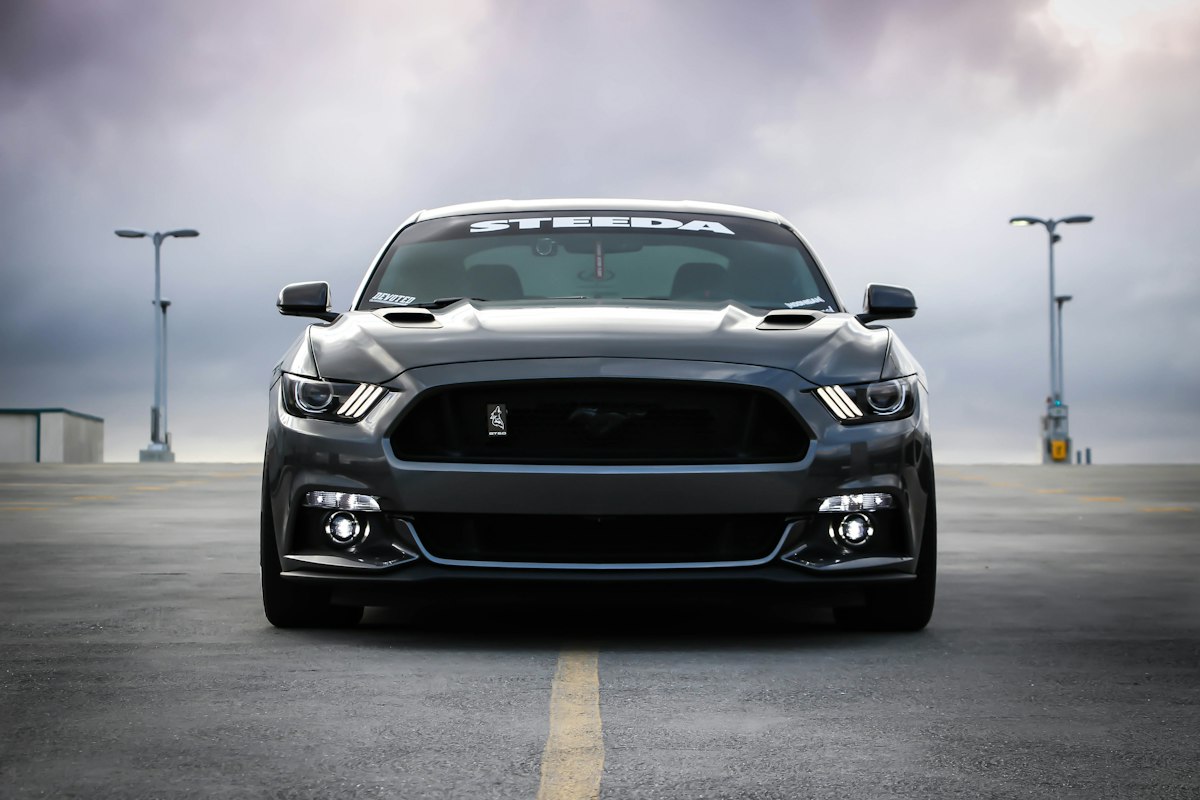
Some vehicles are just harder on wraps. Bumpers with sharp recesses, deep body lines, complex spoilers, and aggressive front-end designs put more stress on the film. Trucks with constant payload flex, daily drivers parked outside all day, and weekend track cars that get aggressively hot all eat through wraps faster.
A garage-kept show car will outlast a daily-driven, street-parked, pressure-washed-every-Sunday version of the same vehicle by years.
Realistic lifespan by scenario
| Scenario | Real lifespan |
|---|---|
| Cast film, garage-kept, mild climate | 6 – 8 years |
| Cast film, daily driver, mild climate | 4 – 6 years |
| Cast film, daily driver, hot or coastal climate | 3 – 4 years |
| Calendered film, daily driver, mild climate | 2 – 3 years |
| Calendered film, hot or coastal, street-parked | 12 – 18 months |
Before you commit
Predict your wrap's real lifespan
Plug in your climate, usage, parking, and film type. Our free Wrap Lifespan Predictor gives you a realistic year-by-year forecast based on industry data — not the warranty card.
Open lifespan predictorIf your wrap is already lifting
Don't wait. A lifting edge spreads fast — heat and pressure can re-bond it in the first few weeks, but once dirt and moisture get under the film, it's done. Get back to your installer immediately and ask for a warranty inspection.
Frequently asked questions
Is wrap lifting covered under warranty?
Usually yes, if it happens within the warranty period and isn't caused by abuse (pressure washing, automatic car washes, accidents). The catch: the warranty often covers material only, not labor to redo the install.
Can a lifted wrap be fixed without redoing it?
If caught very early (within weeks), heat and pressure can re-bond a lifted edge. Once contaminants get under the film, the section needs to be cut out and repatched, or the panel needs to be redone.
How do I know if my installer used cast or calendered film?
Ask for the exact brand and product code on the invoice. 3M 2080, Avery SW900, Hexis Skintac, and KPMF are cast. If the spec sheet says "monomeric" or "polymeric" without "cast," it's calendered.
Bottom line
Wraps don't fail at random. Prep, film grade, edges, washing, climate, and vehicle choice each move the lifespan dial. Get them all right and you're looking at 5 to 7 years. Get any two wrong and you're paying for a redo in 18 months. The good news: every factor is something you can control — or at least predict — before you commit.